
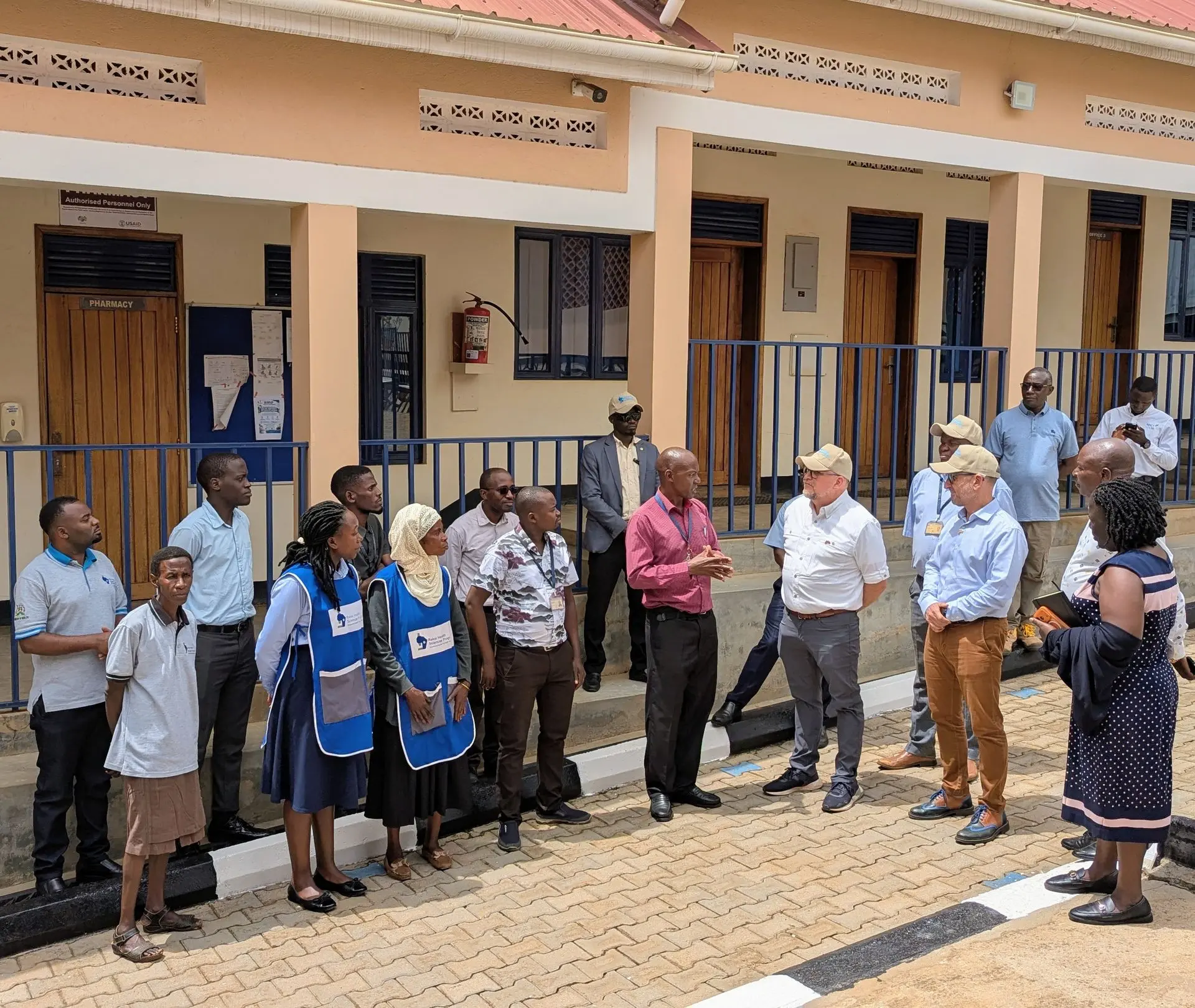
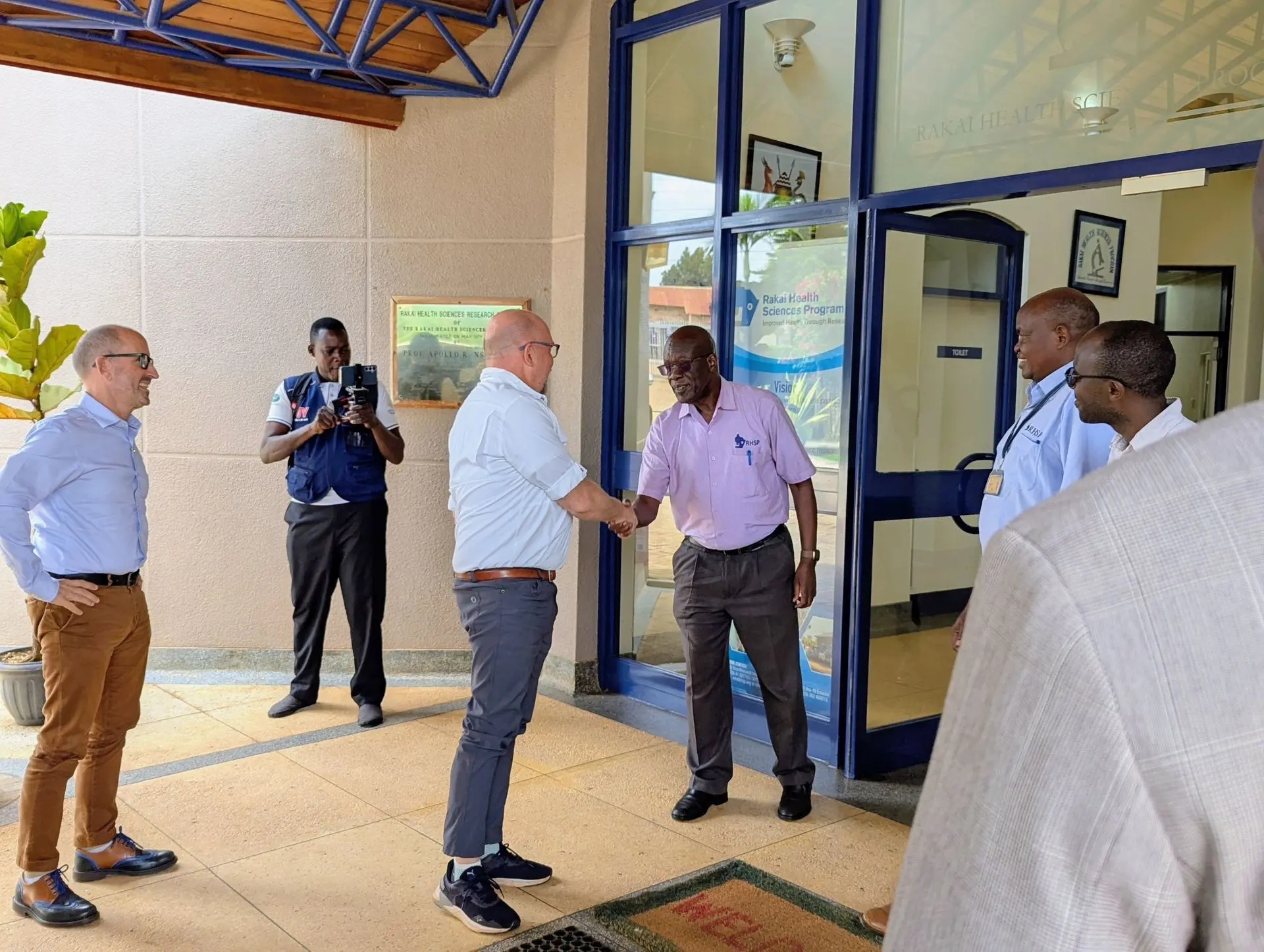
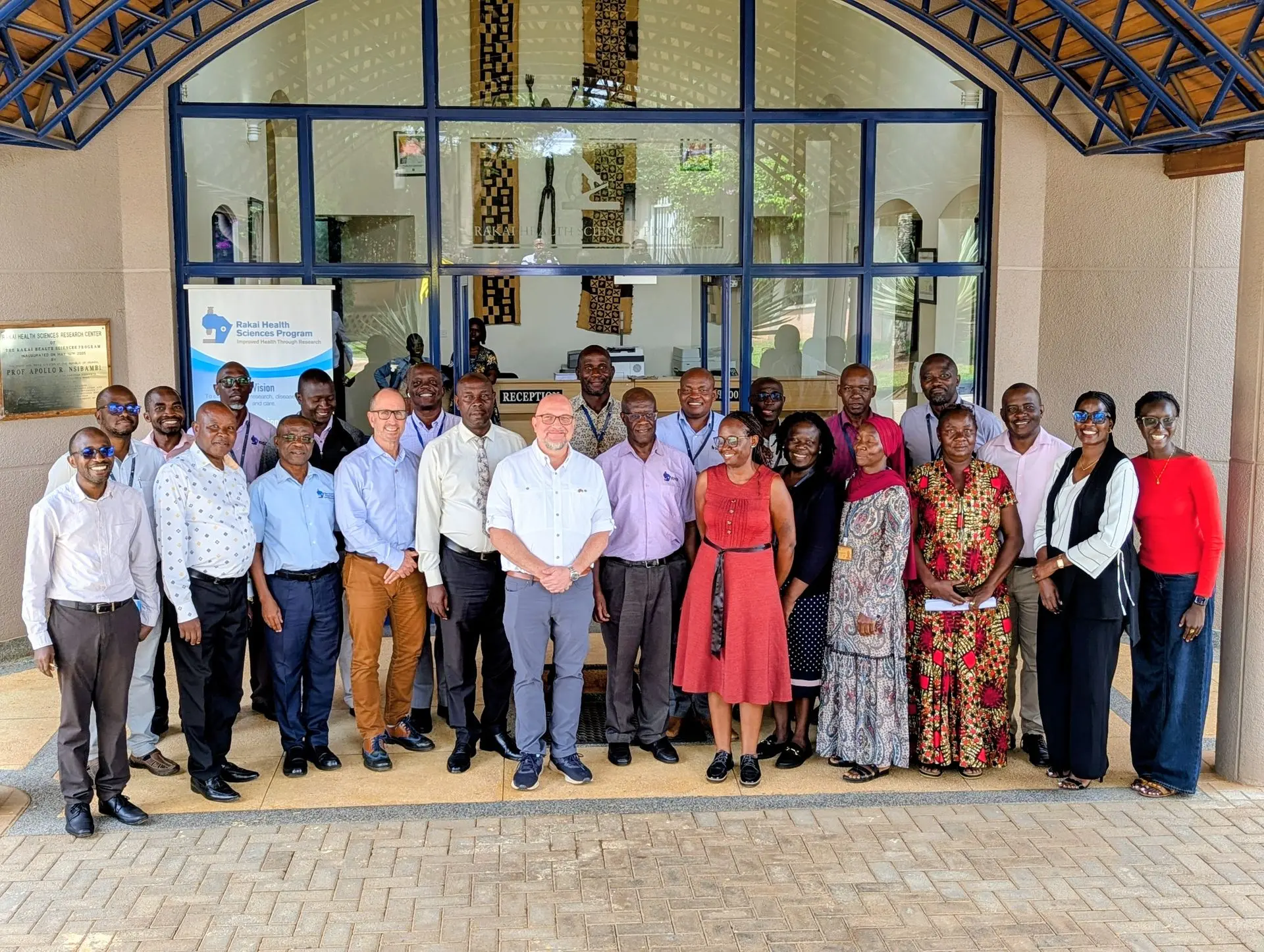
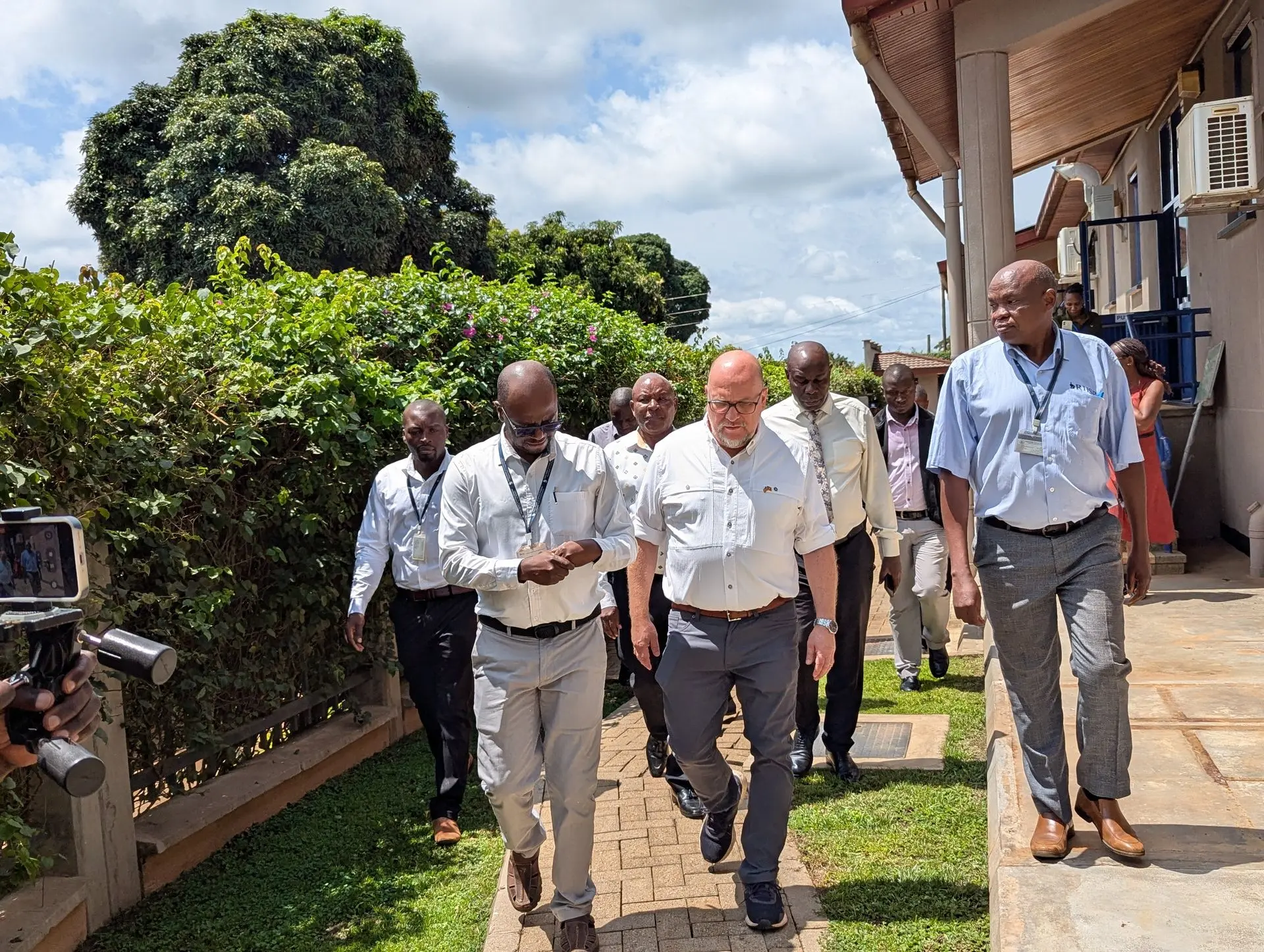
On 18 November 2026, the Rakai Health Sciences Program (RHSP) welcomed the U.S. Embassy Chargé d’Affaires to Uganda, Mikael Cleverly, accompanied by Dr. Steve Reynolds, Chief of the International HIV/STD Section at the National Institute of Allergy and Infectious Diseases (NIAID/NIH), and a delegation from the National Institutes of Health (NIH), to its headquarters in Kalisizo, Kyotera District.
The visit provided an opportunity to showcase RHSP's research journey, scientific contributions and the impact of its longstanding collaboration with the United States in advancing public health research and improving health outcomes in Uganda.
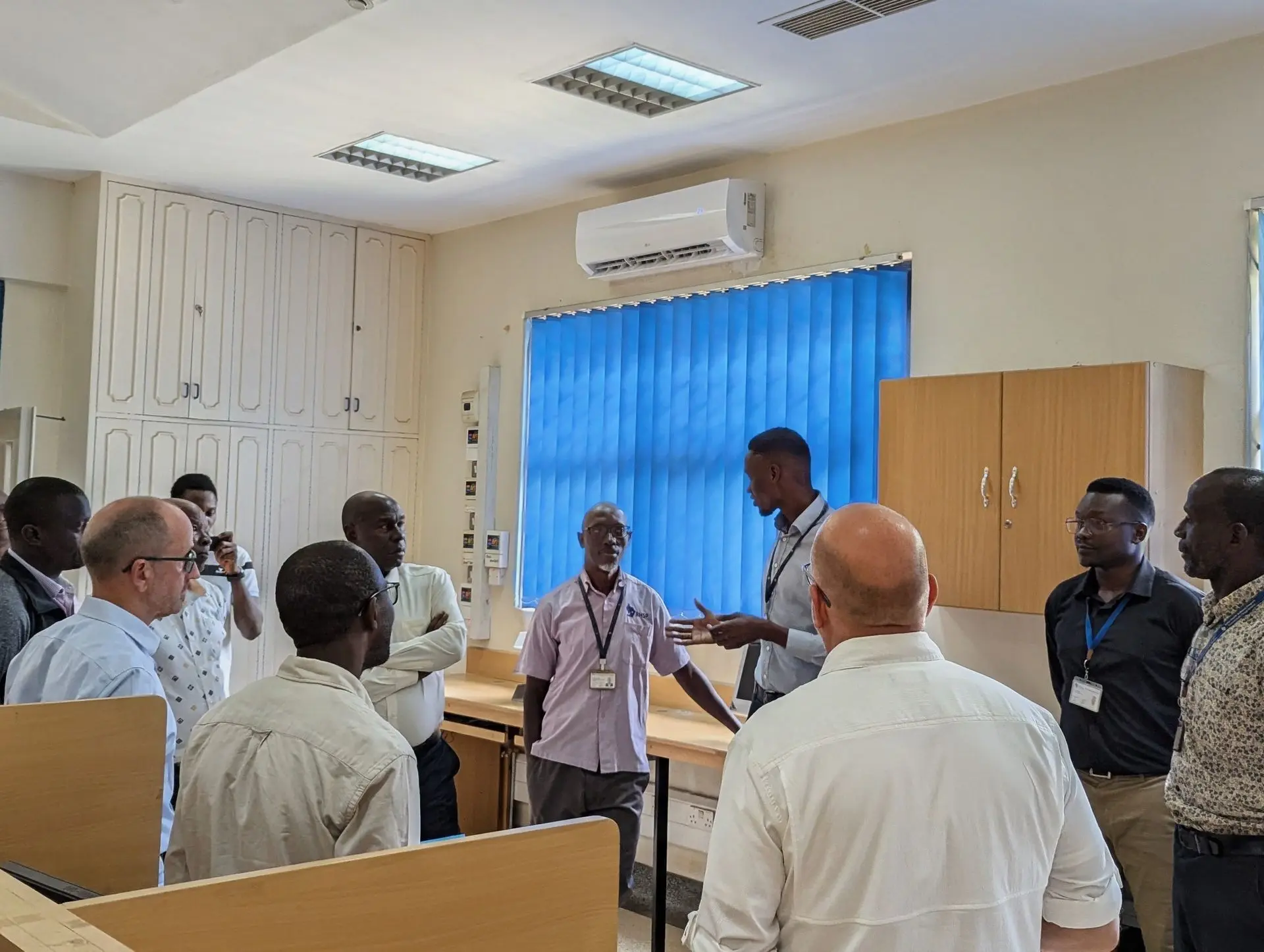
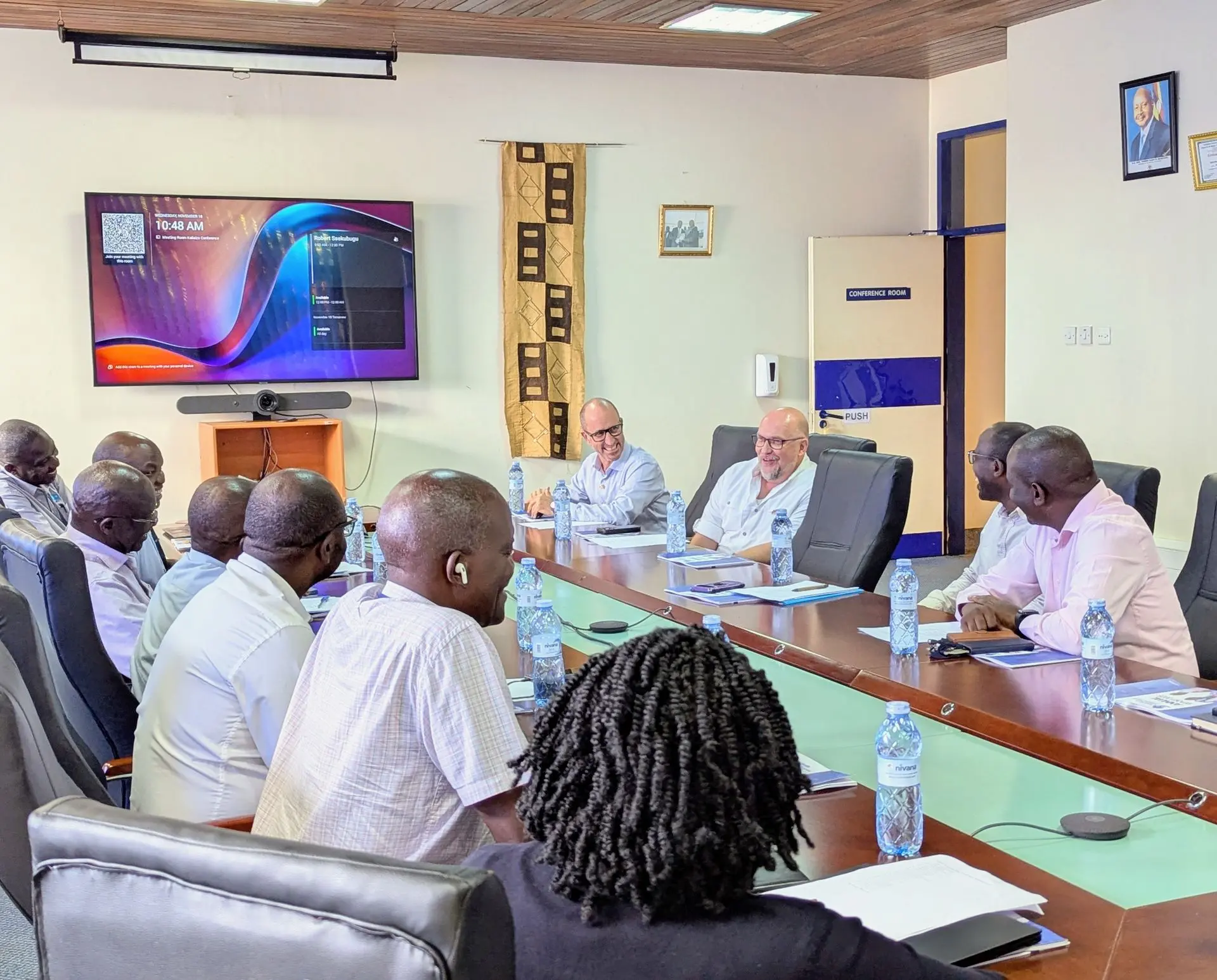
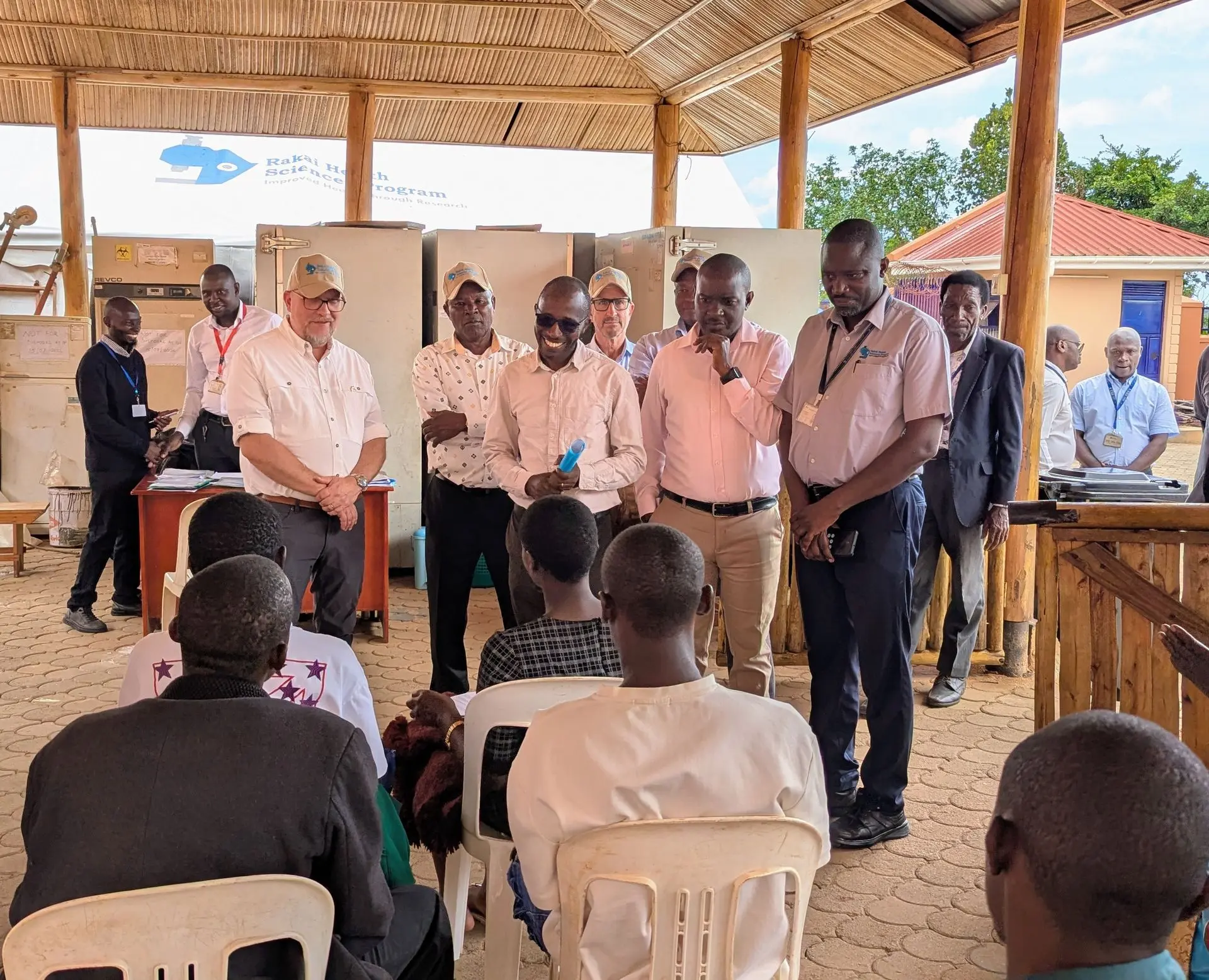
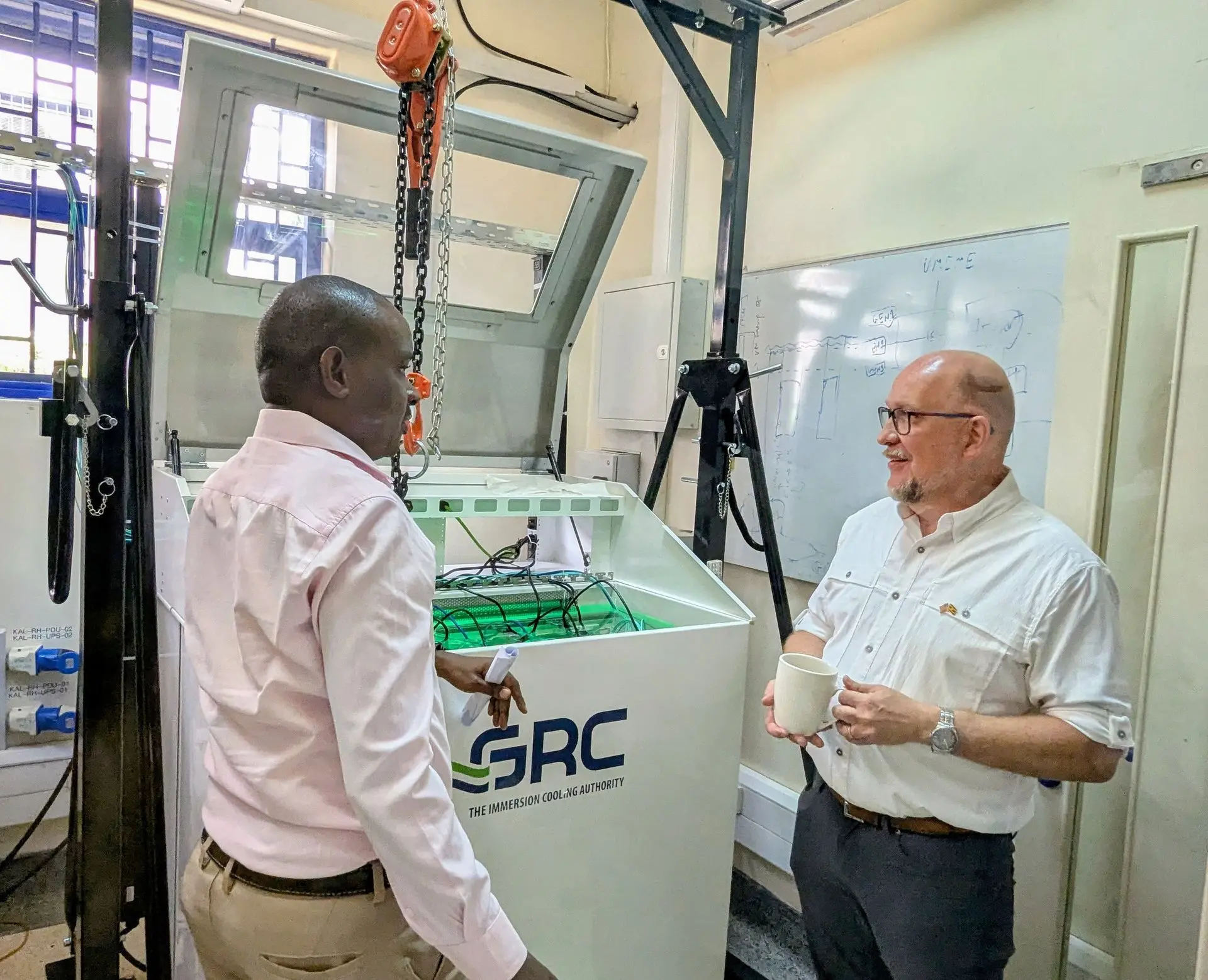
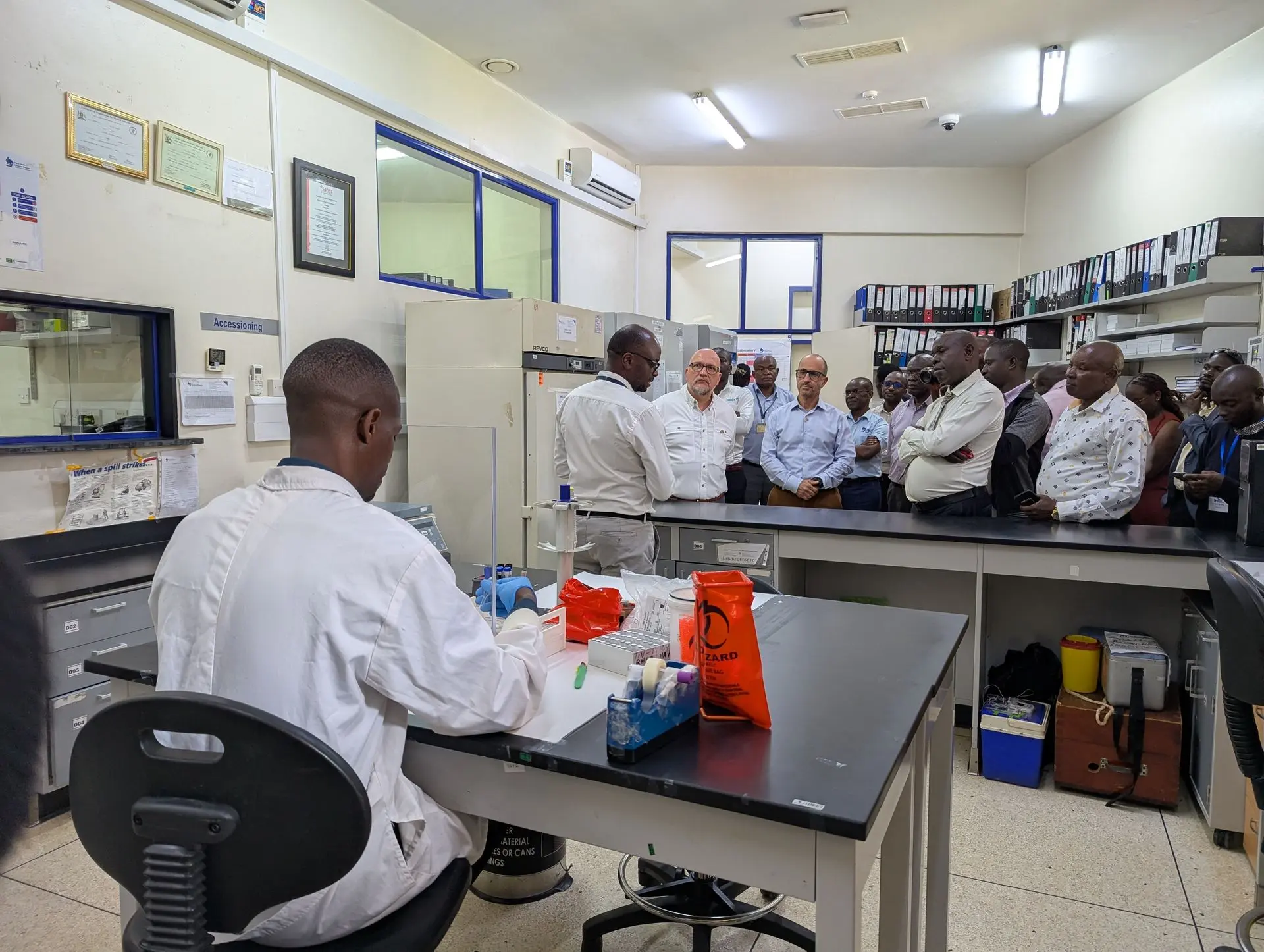
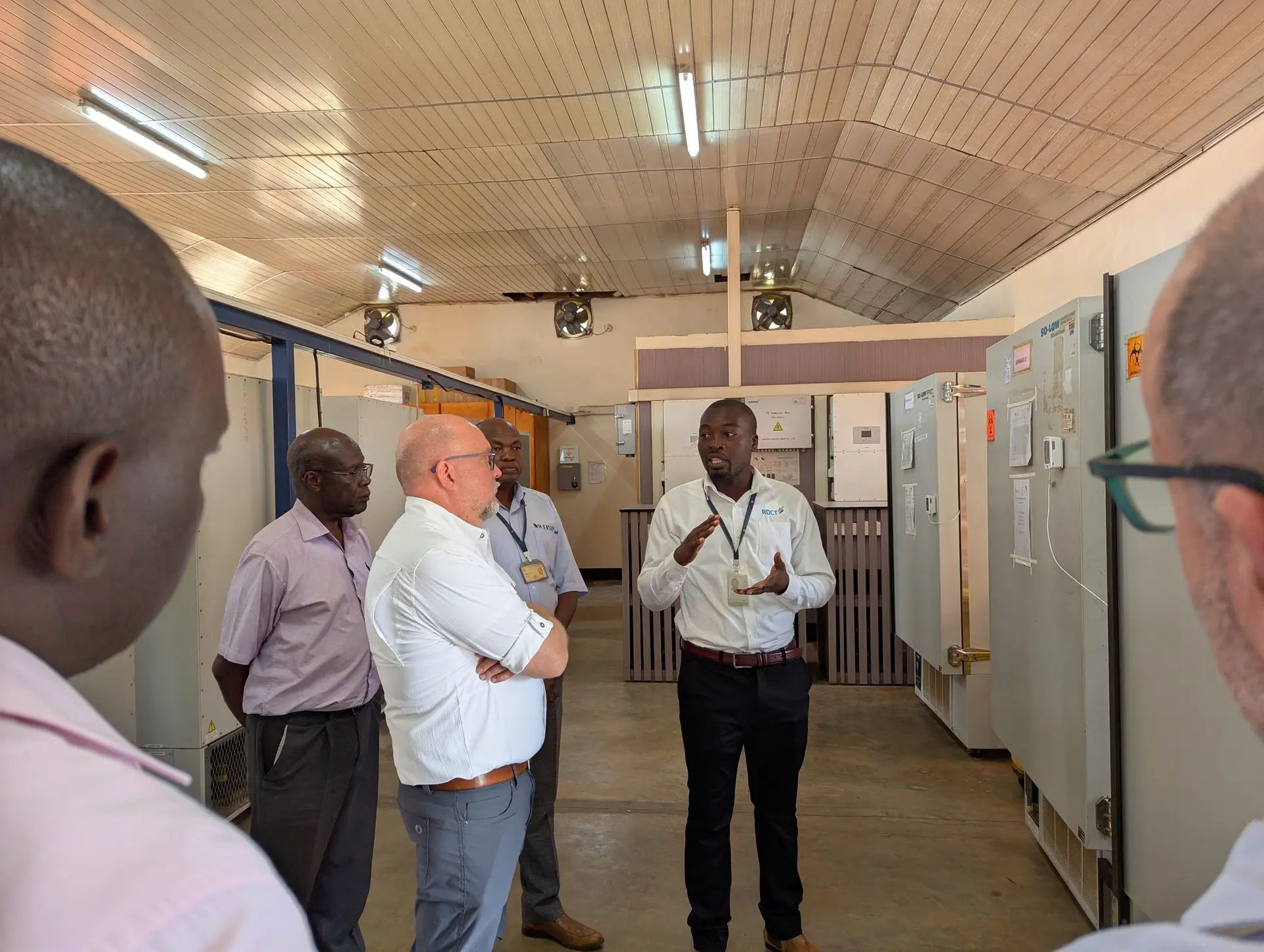
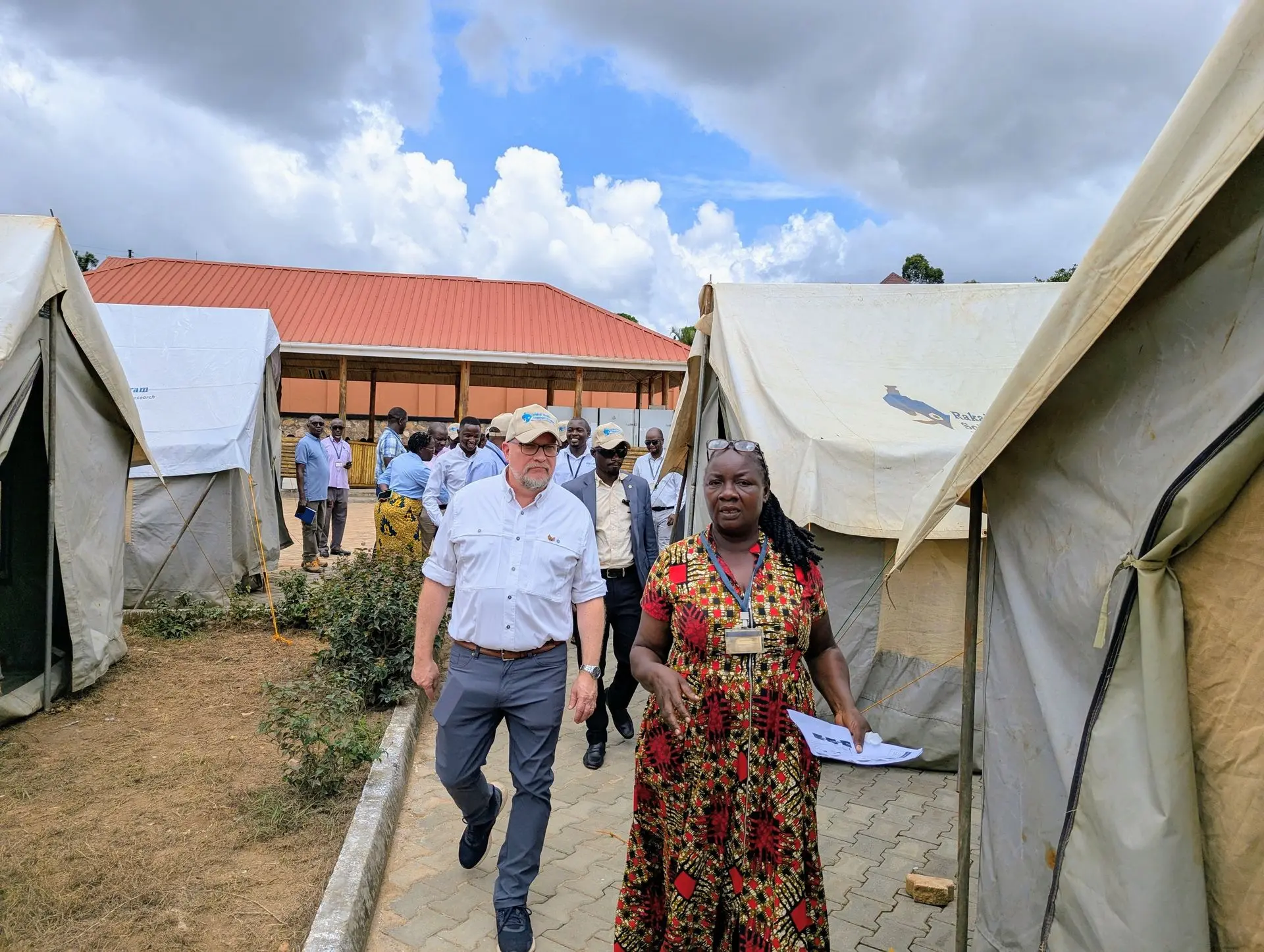
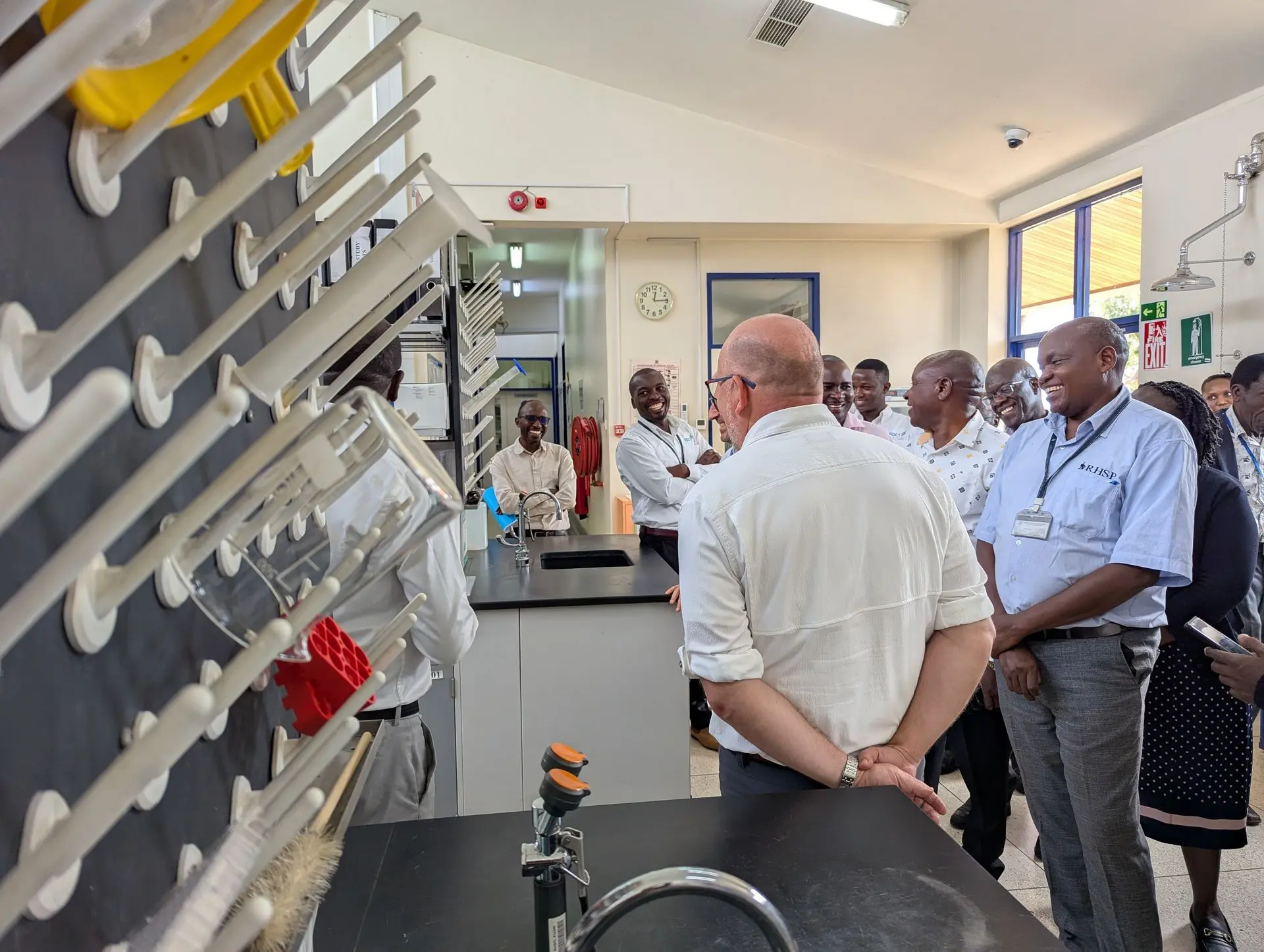
During the visit, RHSP leadership briefed the delegation on the organization’s history, research achievements and ongoing work. The delegation also toured the Research Centre, engaging with teams working in data management, information technology, laboratory research, HIV clinical services, the Rakai Community Cohort Study (RCCS) and other scientific studies. The tour further highlighted the infrastructure supporting RHSP's research operations, including the freezer house, sample monitoring systems and backup power supply.
Seeing the impact of research in communities
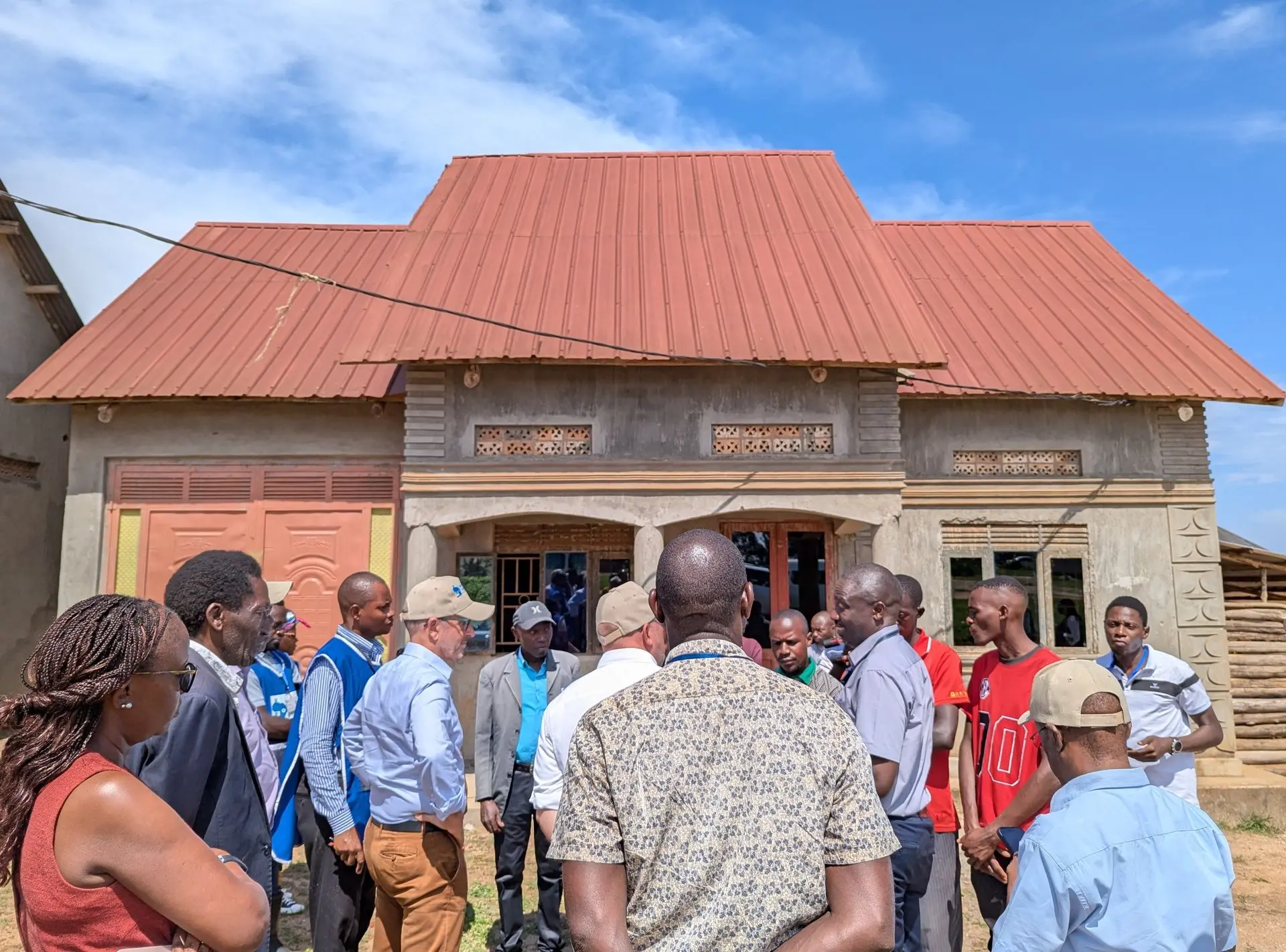
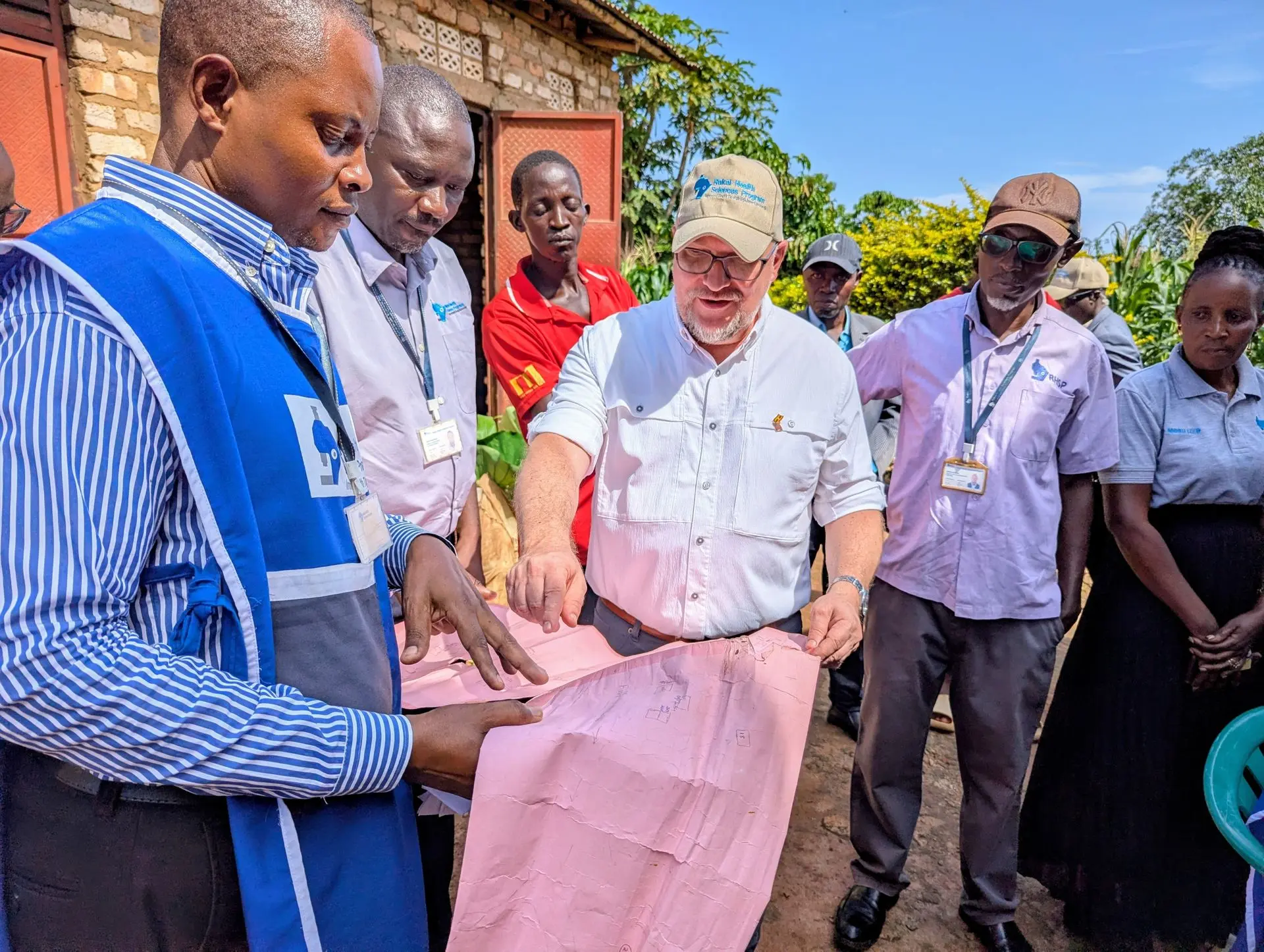
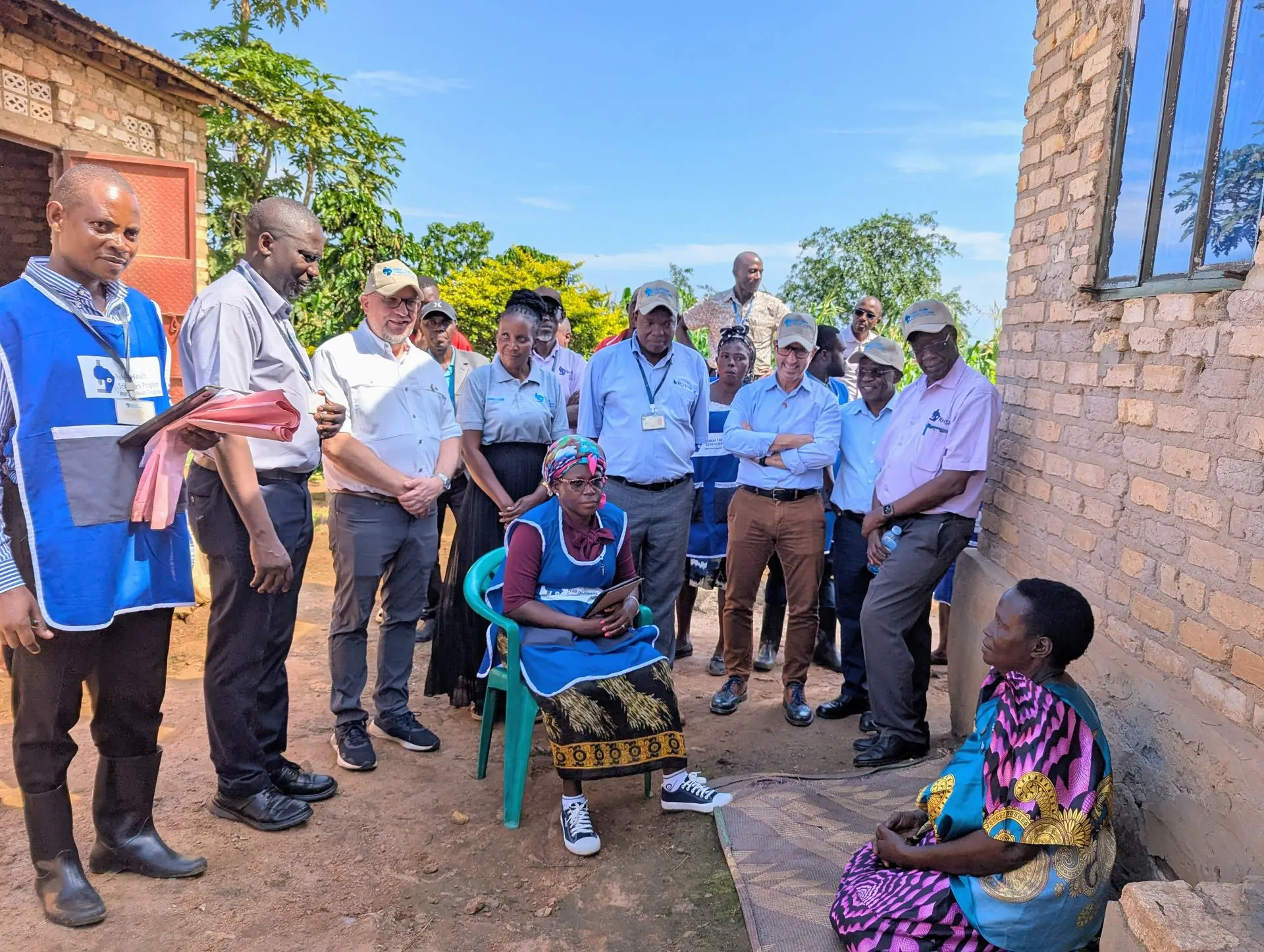
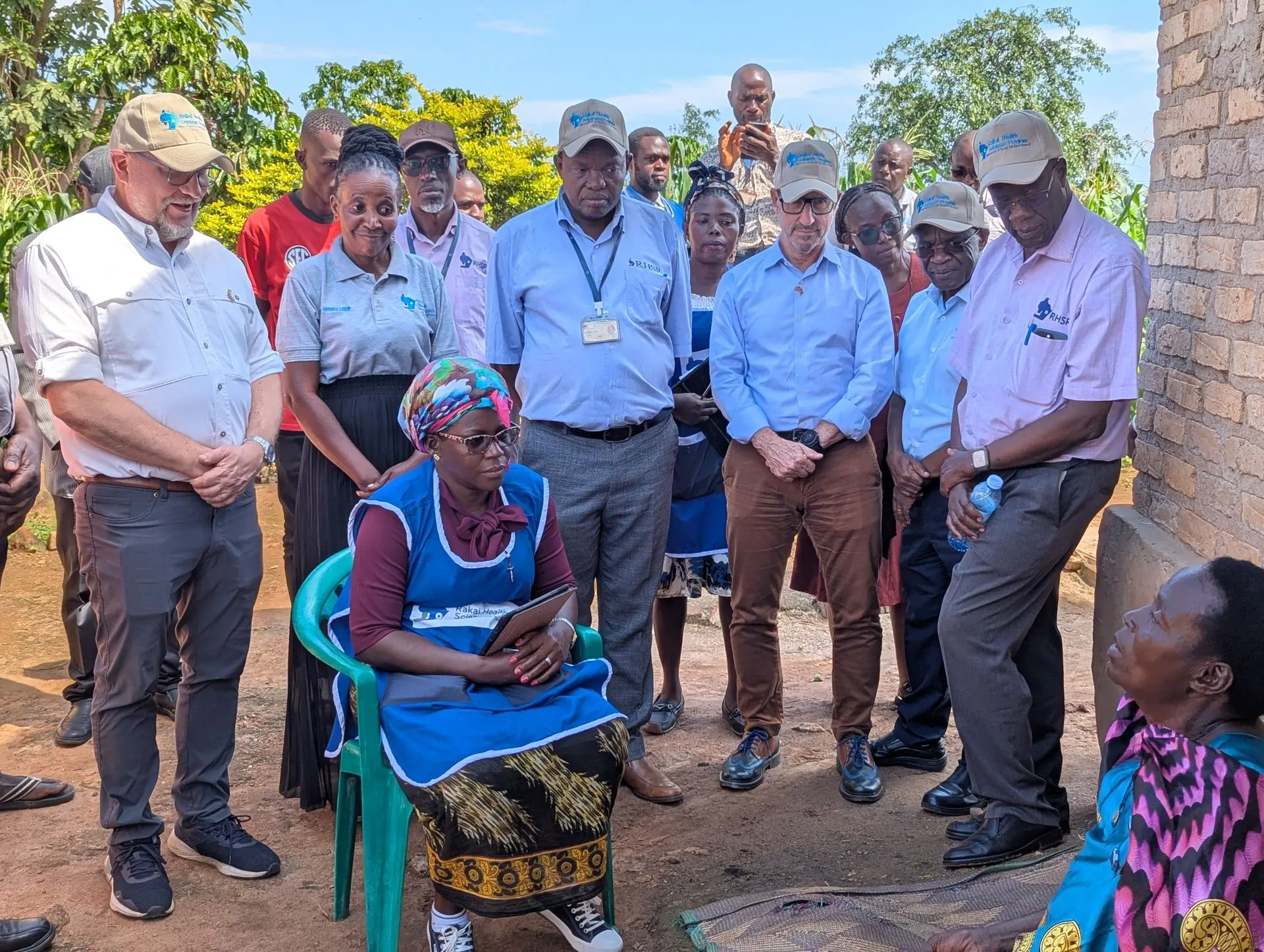
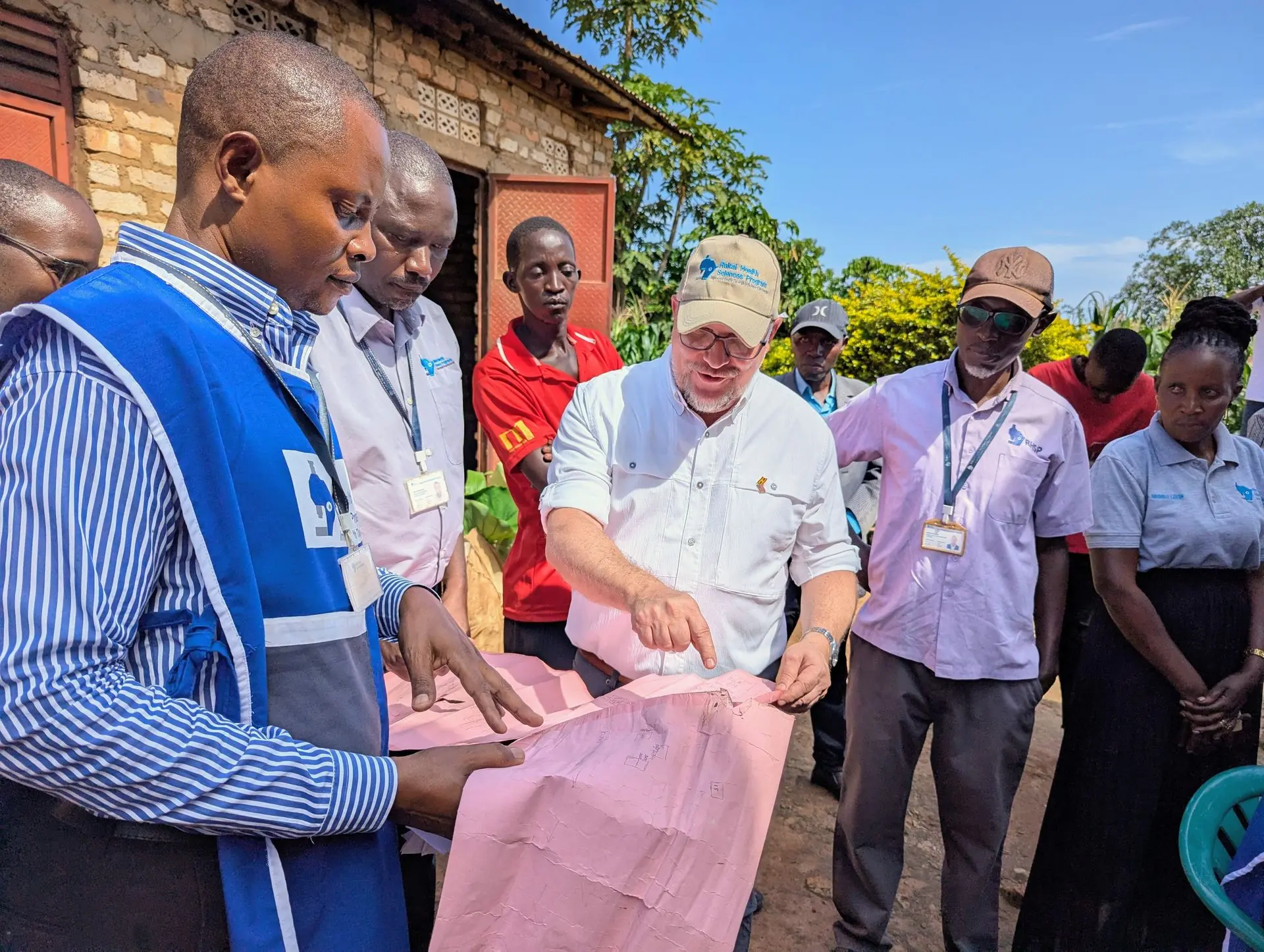
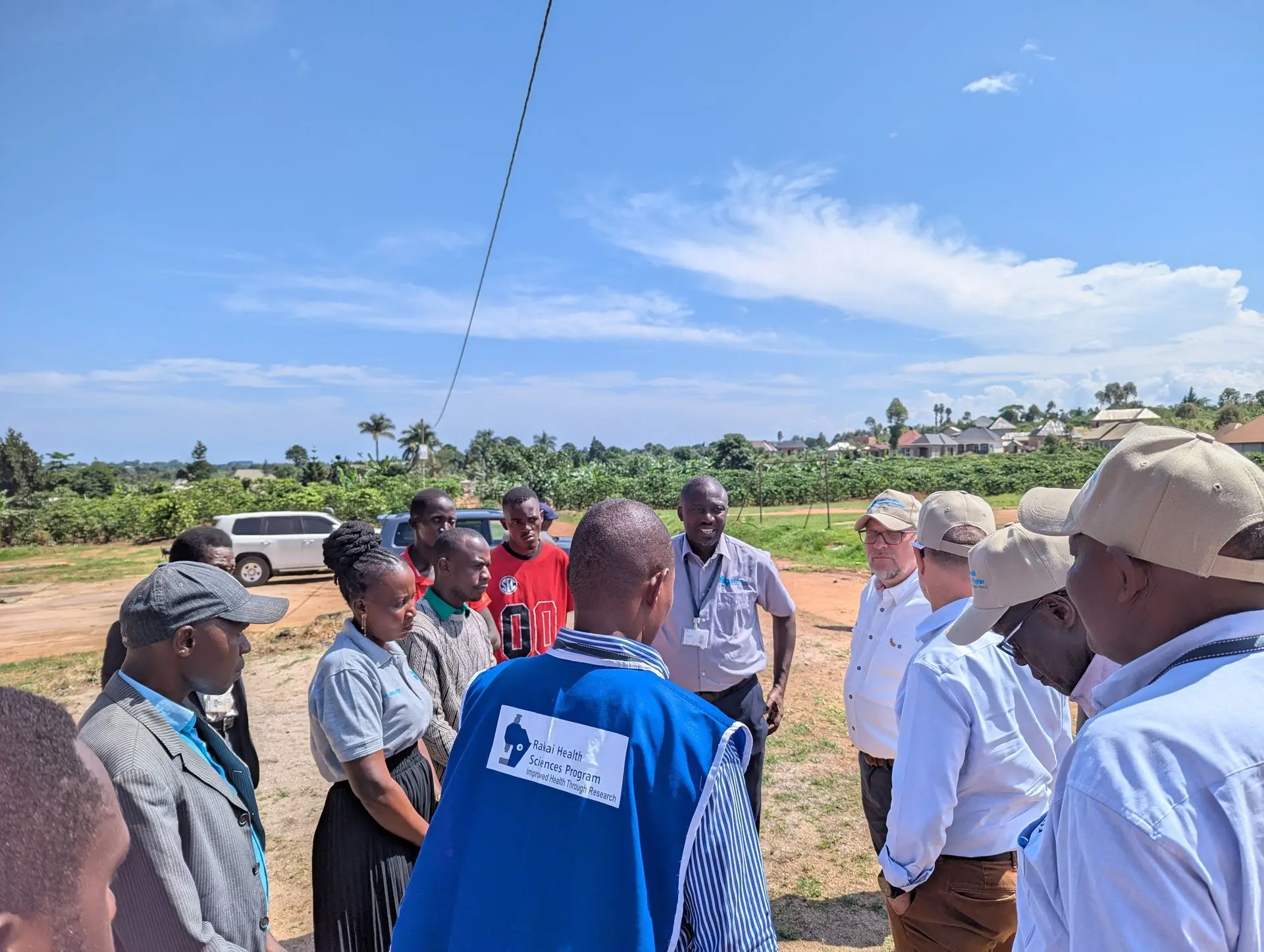
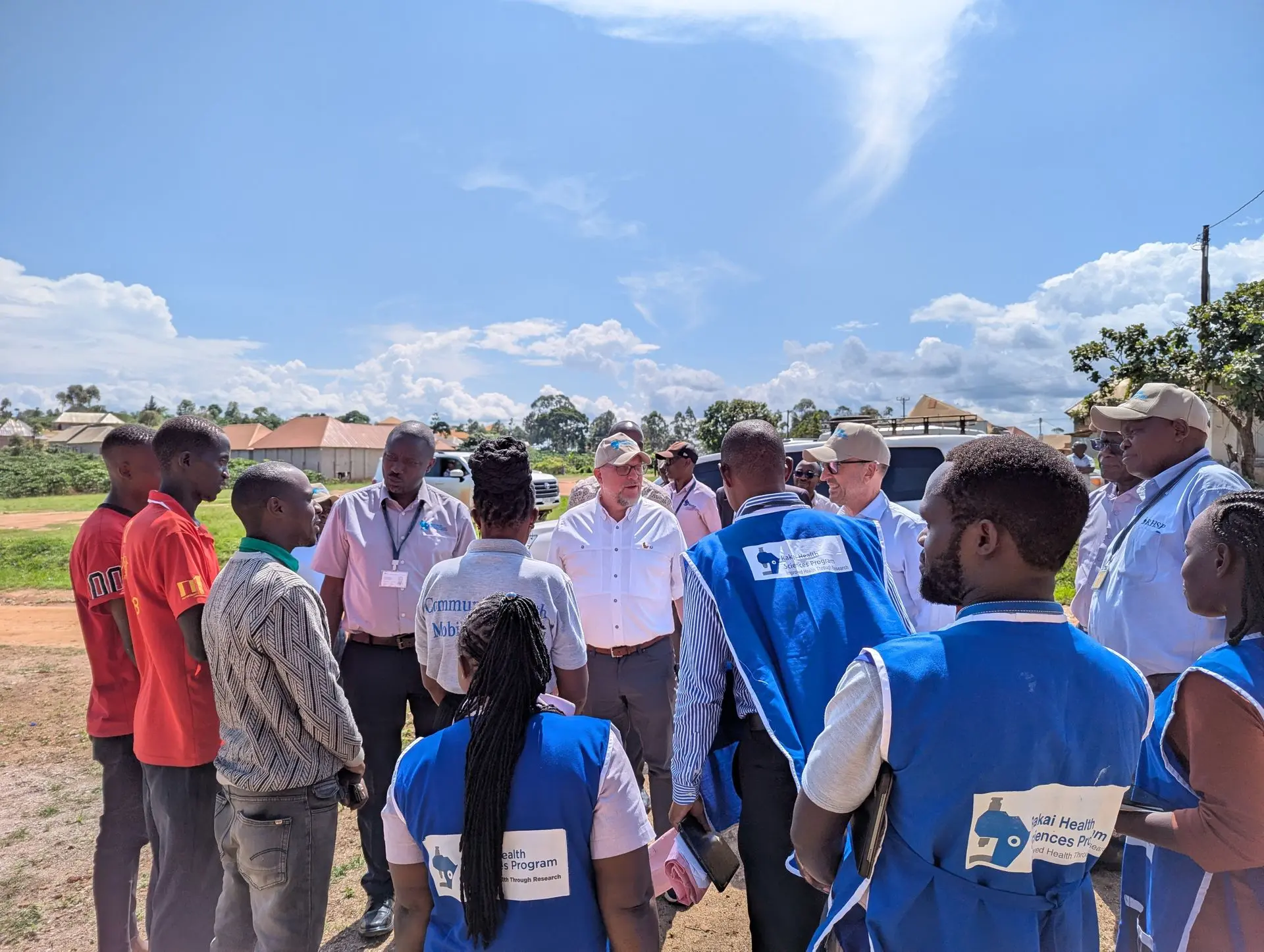
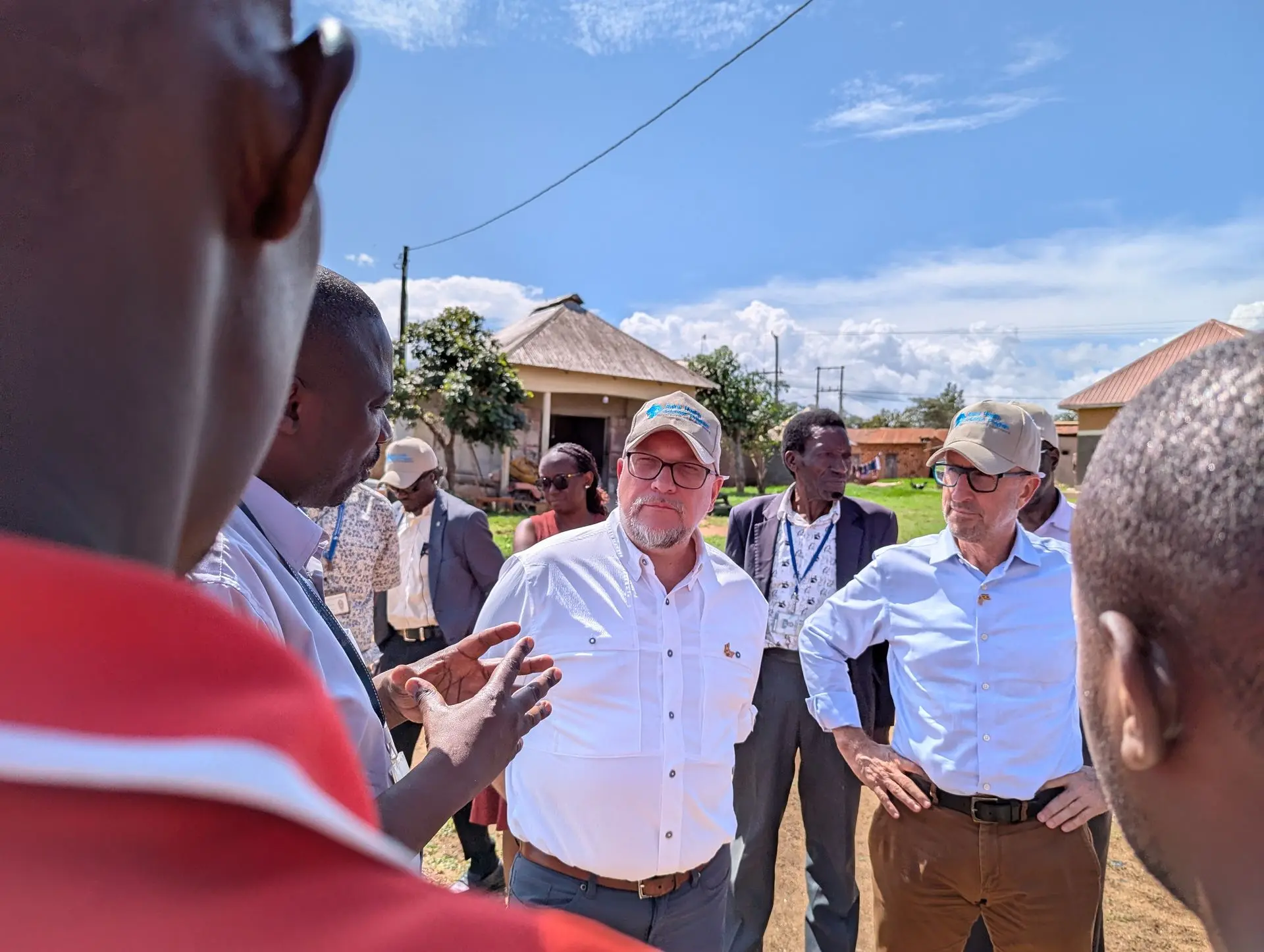
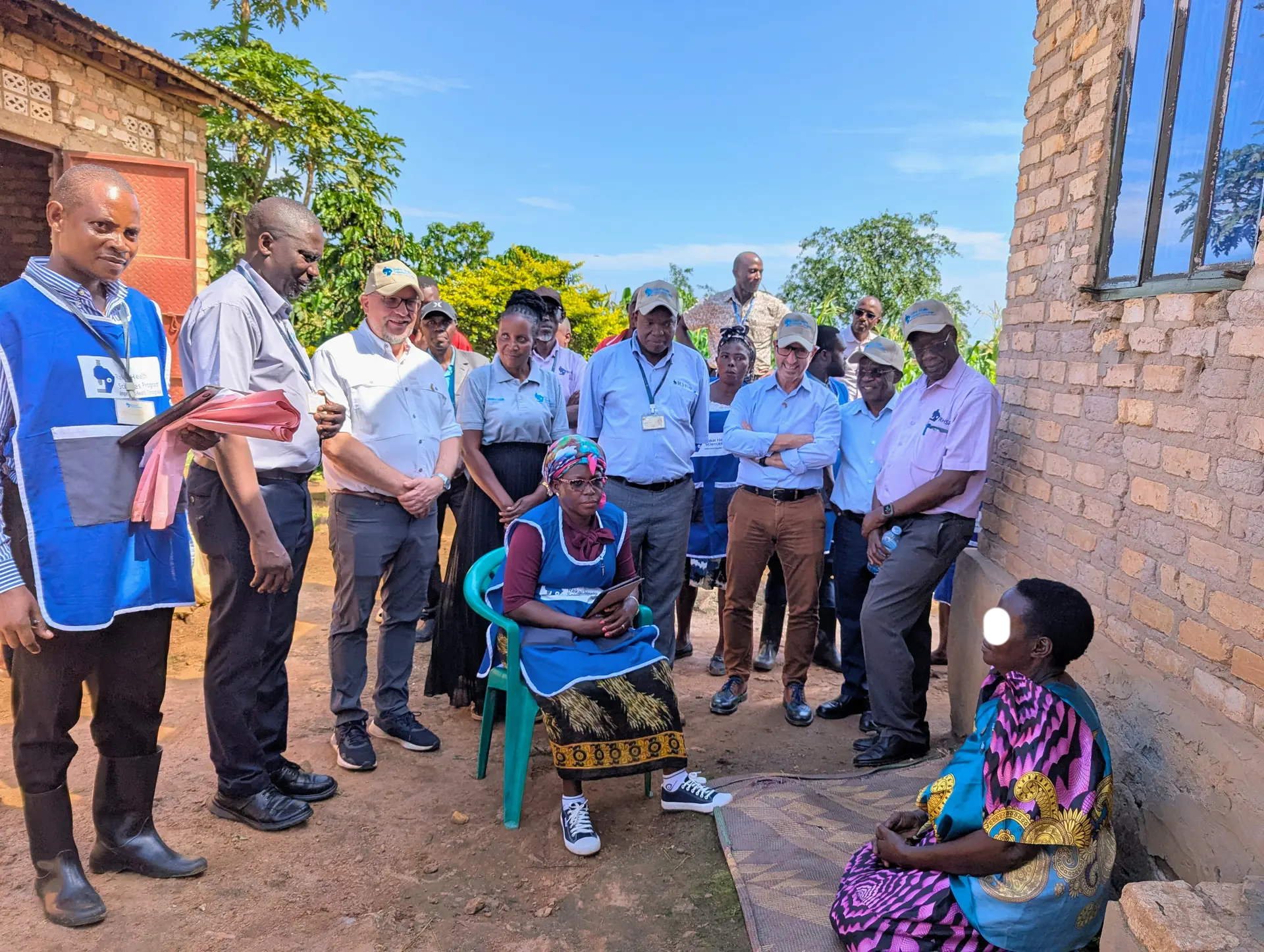
Beyond the research facilities, the delegation travelled to Lwaggulwe Sub-county in Kyotera District to observe ongoing RCCS community census activities and experience firsthand how research connects with the lives of the communities it serves.
During the field visit, the delegation visited a participating household and interacted with a longstanding RCCS participant, who shared how her family's involvement in the study has contributed to their health and wellbeing, as well as benefited the wider community. Her account demonstrated the importance of sustained community participation in generating knowledge that informs public health interventions and improves lives.
Celebrating a partnership built on shared vision and commitment
Reflecting on the longstanding U.S.–RHSP partnership, Chargé d’Affaires Cleverly recognised the vision, commitment and collective effort that have sustained the collaboration for more than four decades. He noted that successful partnerships require more than a shared health challenge; they depend on partners with the vision, capacity and willingness to work together towards common goals.
He commended RHSP for building an institution with lasting impact, changing and saving lives, and expressed pride in the United States' continued collaboration with the organisation.
Cleverly also noted that colleagues at the U.S. Embassy in Uganda are impressed by the work being undertaken at RHSP and its contribution to public health in Uganda. He described the partnership as a worthwhile investment and expressed his intention to share the experience and inspiration gained from the visit with colleagues in Kampala.
Dr. Reynolds also expressed appreciation for the dedication of RHSP staff and their contribution to healthier communities. He particularly acknowledged the essential role of community mobilisers and research participants, describing them as the foundation of the programme's work.
"The work you do is really making a difference in the community and creating healthier livelihoods. And thank you to the participants, whether community mobilisers or research participants. Without you, we are really nothing. You are the foundation of all the work we do," he remarked.
Looking ahead
RHSP recognises and appreciates the continued support of the U.S. Embassy and the National Institutes of Health (NIH), whose funding, technical assistance and equipment support have been instrumental in strengthening the organisation's research capacity and advancing its scientific work.
As RHSP looks towards its 40th anniversary, the visit reaffirmed the value of sustained partnerships in addressing public health challenges, building local scientific capacity and translating research into meaningful health benefits.
RHSP remains committed to building on this legacy through scientific excellence, collaboration and community-centred research that continues to improve population health in Uganda and beyond.